Leadership Under Pressure
Helping Leaders Build Systems That Hold When Pressure Is Highest
Roy Reid, APR, CPRC, MCPC
Most leaders don’t break all at once.
Pressure builds quietly.
It starts with the weight of responsibility becoming harder to carry. Decisions stack up. Conversations become shorter. Patience wears thinner. You begin second-guessing yourself more often. Work follows you home. Relationships become strained. The pressure that once motivated you slowly starts changing you.
Over time, pressure affects:
communication,
leadership,
decision-making,
organizational culture,
relationships,
and personal wellbeing.
This page exists to help leaders understand how pressure affects people and organizations — and why trust determines whether systems hold or fracture under it.
Pressure Changes Leaders Quietly
Years ago, while serving in executive leadership inside one of the nation’s largest healthcare systems, I found myself carrying more pressure than I realized.
The demands were relentless. The pace never slowed. I convinced myself that pushing harder, carrying more, and staying in control was simply part of leadership.
What I didn’t recognize was how pressure was quietly affecting my communication, my relationships, my health, and the people closest to me.
Eventually, my body forced the issue.
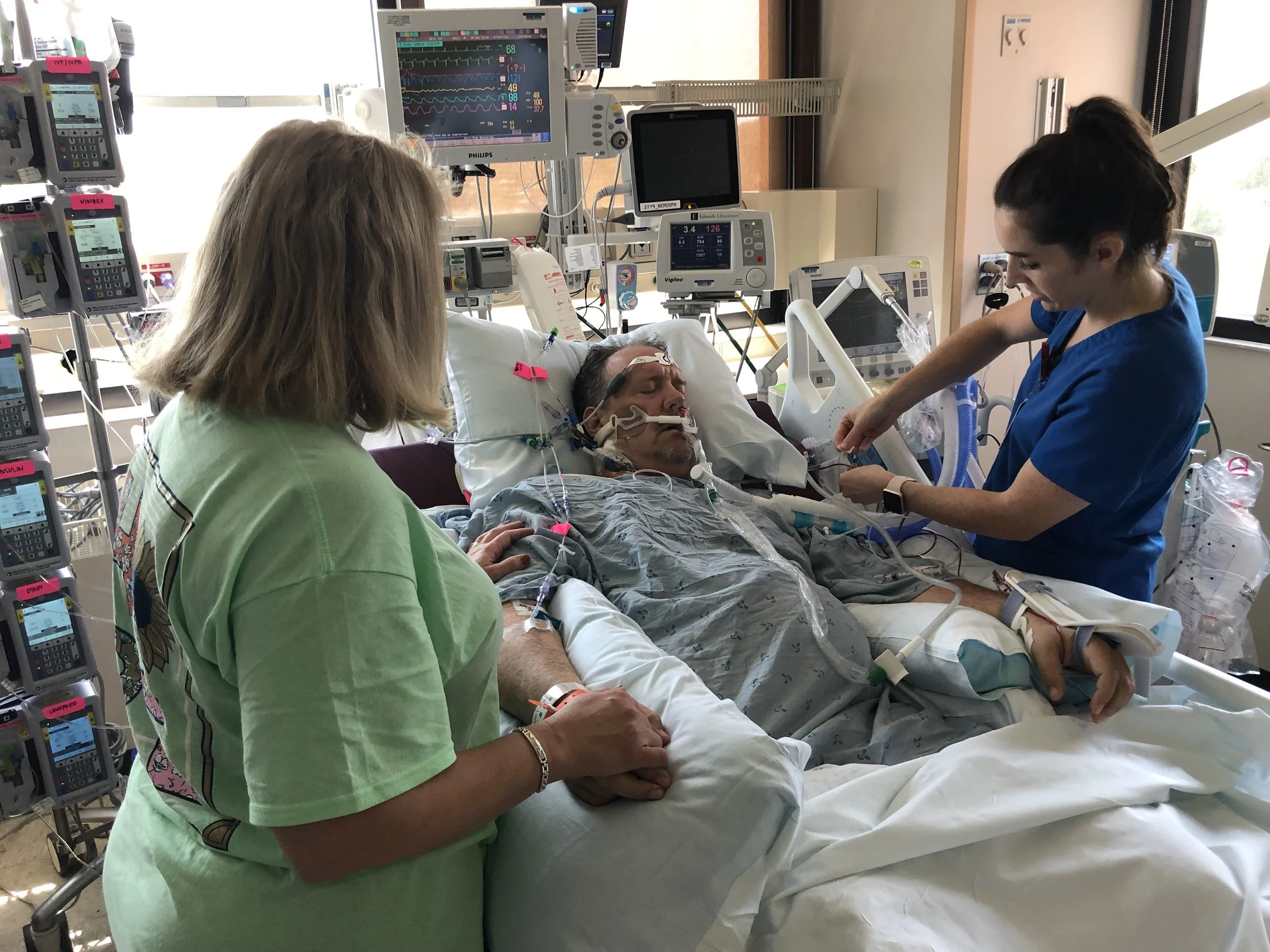
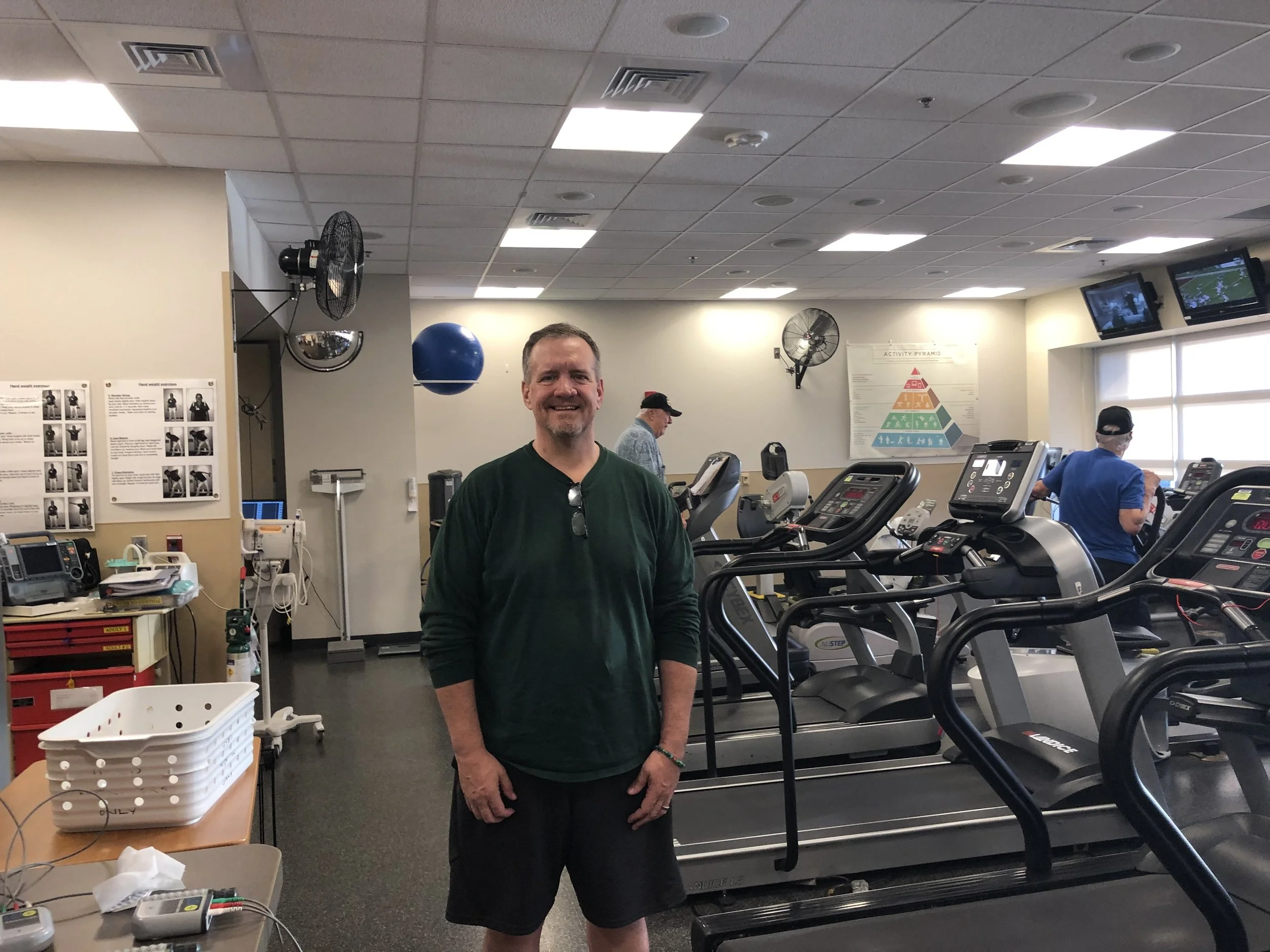
In 2019, I survived an acute aortic dissection — a catastrophic medical event doctors often describe as unsurvivable.
But the deeper transformation didn’t happen in the hospital.
It happened afterward, as I reflected on what pressure had slowly done to my leadership, my relationships, and the way I carried responsibility.
That experience reshaped the way I think about leadership forever.
Pressure does not simply test leaders.
Over time, it changes them.
What Pressure Does to Teams and Organizations
When leaders operate without healthy systems for communication, trust, accountability, and support, the effects eventually show up everywhere:
decisions stop sticking,
communication breaks down,
accountability weakens,
friction increases,
trust erodes,
and relationships become strained.
Teams become reactive instead of aligned.
Organizations begin compensating for dysfunction rather than solving it.
Research from Great Place to Work® consistently shows that high-trust organizations experience:
stronger collaboration,
greater innovation,
lower turnover,
higher engagement,
and greater resilience during periods of pressure and change.
Research published through the Harvard Business Review has also shown that employees in high-trust cultures report:
significantly lower stress,
higher productivity,
stronger energy levels,
and less burnout.
Trust is not a “soft skill.”
It is an operational infrastructure.
The Hidden Cost of Carrying Leadership Alone
One of the greatest dangers leaders face under pressure is isolation.
Leaders often feel:
responsible for carrying certainty,
hesitant to appear vulnerable,
emotionally exhausted,
and disconnected from meaningful support.
Over time, pressure follows them home.
Research from the American Psychological Association continues to show that chronic workplace stress significantly affects:
marriages,
parenting,
emotional regulation,
sleep,
physical health,
and overall well-being.
I’ve seen this personally in my own life and repeatedly in conversations with CEOs, healthcare executives, business owners, and leadership teams.
The pressure rarely stays contained to the office.
Eventually, it affects:
communication at home,
emotional presence,
patience,
connection,
and peace.
That’s one of the reasons so many successful leaders privately feel exhausted while appearing strong externally.
They are carrying leadership alone.
Trust Is a Leadership Operating System
This is why trust matters so much.
Not as a slogan.
Not as a corporate value painted on the wall.
And not as an abstract feeling.
Trust functions as a leadership operating system.
It shapes:
how decisions are made,
how conflict is handled,
how teams respond under pressure,
how accountability is reinforced,
and whether relationships strengthen or fracture during difficult seasons.
This became the foundation for The Trust Transformation framework and much of the ongoing work inside Trust Under Pressure Research.
When trust becomes intentional:
communication improves,
delegation becomes easier,
decisions stick,
accountability strengthens,
teams align faster,
and leaders regain greater clarity and confidence under pressure.
What Changes When Trust Becomes Intentional?
Leaders and organizations implementing trust-centered leadership systems often experience:
Stronger communication and accountability
Healthier conflict and collaboration
Improved leadership alignment
Greater resilience under pressure
Reduced relational friction
Stronger organizational culture
Higher engagement and retention
Greater clarity in decision-making
Increased confidence and peace at work and at home
The goal is not perfection.
The goal is to build systems that hold up under pressure.
You Don’t Have to Carry Leadership Alone
Over the years, I’ve worked with healthcare leaders, executive teams, business owners, and organizations navigating:
organizational transformation,
workforce instability,
communication breakdowns,
culture challenges,
decision fatigue,
and relational strain under pressure.
One of the most consistent things I’ve observed is this:
When trust becomes intentional, pressure becomes easier to carry.
People breathe differently.
Teams operate differently.
Relationships heal.
Cultures stabilize.
And leaders stop feeling that the weight of responsibility is quietly crushing them behind the scenes.
If you’re navigating pressure right now — personally, professionally, or organizationally — you are not alone.
And the good news is this:
Trust is not just a feeling.
It’s a system.
And systems can be built.
Schedule a Conversation
If pressure is affecting your leadership, communication, organizational alignment, or relationships at home, I’d be glad to connect for a confidential conversation about what healthier systems could look like for you and your organization.
👉 Start the Conversation
Leadership Under Pressure FAQ
What happens to leaders under chronic pressure?
Chronic pressure often affects communication, decision-making, emotional regulation, relationships, accountability, and organizational trust. Many leaders become reactive, isolated, and emotionally exhausted without realizing how significantly pressure is changing them over time.
Why do leadership teams fracture under pressure?
Leadership teams often fracture when trust, communication, accountability, and alignment weaken under stress. Pressure tends to expose existing communication gaps and organizational friction that may already exist beneath the surface.
What is a leadership operating system?
A leadership operating system is the underlying framework that shapes how leaders communicate, make decisions, handle conflict, reinforce accountability, and build trust inside teams and organizations.
How does workplace pressure affect relationships at home?
Research consistently shows that chronic workplace stress impacts marriages, parenting, emotional presence, sleep, physical health, and overall well-being. Pressure rarely stays isolated and works alone.
Why are high-trust organizations more successful?
Research from Great Place to Work®, Harvard Business Review, and other organizational studies consistently shows that high-trust organizations experience stronger engagement, collaboration, innovation, retention, adaptability, and resilience during periods of pressure and change.